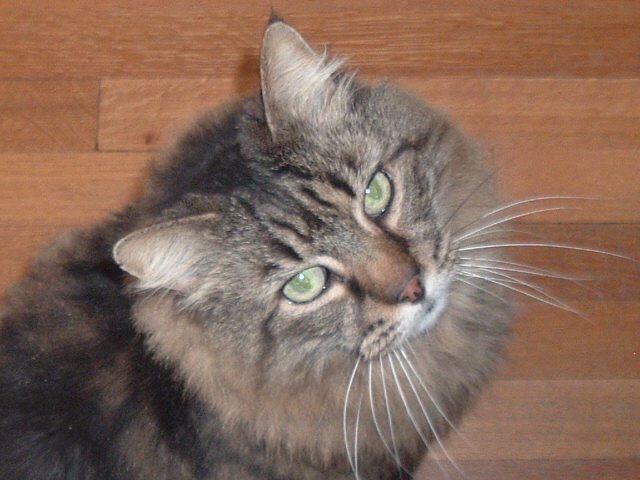
Many pet guardians (including myself, and some of my clients) are dismayed that Pet Promise is going out of business. That information was first leaked on Dr. Andrew Weil's website; he has been their spokesperson. In the Portland area, you can still find a few cans and bags at Freddie's, now reduced.
Fortunately, there are several great pet food companies and the one I learned about recently is Halo.
"At Halo pure love for pets drives everything we do. We create natural, holistic products to help your pet live a long, happy, healthy life. Over 20 years of real-life experiences helping animals, plus an unequalled commitment to natural care, inspire HALO's nutritional foods, essential supplements, herbal grooming aids and healthy treats." Some of their products include Spot's Stew, Live-A-Littles treats, Vitaglo essential supplements, and Cloud 9 grooming products. All natural ingredients, satisfaction guaranteed.
I have tested their products out and so have clients I have given samples to. Everyone I've talked to about it gives it a thumbs up, and I do, too. My kitty loves their wet food, dry kibble, and particularly their Liv a Littles chicken breast treats.
Porter (my feline buddy) and I are both very happy to have discovered Halo products!
Showing posts with label city dogs. Show all posts
Showing posts with label city dogs. Show all posts
Tuesday, February 9, 2010


Monday, March 9, 2009
Adoption Challenges
The woman who phoned was new to Portland. She had found a dog she wanted to adopt at the Oregon Humane Society, and she needed pet taxi service to his new home. Adopting an animal is exciting, and there is usually hopeful anticipation that he or she is going to a loving, forever home.
I met "Julie" and then her adoptee, "Shadow." He is a young, healthy Shepherd mix who now had another chance after his last family returned him after only four days. There weren't too many details, but Julie did learn that Shadow didn't like cars. That was a sign of the adventure to unfold.
The OHS staff leashed up Shadow and walked him to my car. Fortunately, he bounced into the back seat, without too much hesitation. Julie sat next to him, and we were on our way. We then learned about Shadow's barking. Of course, he had no idea what was ahead for him. He couldn't know he wouldn't be competing for attention again with two dogs already established in a household. He was now to be an only child, which would possibly suit him perfectly. But how was he to know that? The last time people took him out of a kennel, they returned him. How could he trust anything? So the barking continued, as we headed over the bridge to his new home. My heart went out to him and his obvious anxiety, as I tried to ignore the piercing pitch of his barks.
When we arrived at Julie's one bedroom apartment, Shadow explored every corner of the minimally furnished two rooms he was allowed in: the living room and bedroom. Walking him around the neighborhood revealed more sides of his anxious personality. He gets manic not only in a car, but around cars. Car headlights. Cars moving. Unexpected noises. He jumps in the air, barking wildly. He pulls right to left on the lead. He startles easily. He is clearly having a difficult time adjusting to city life.
Now it's a few days later. The vet who made a house call recommended small doses of Prozac. Julie is a nurse and has learned that Prozac sometimes has the opposite of the intended effect in dogs,so she is hesitant about trying it. She is now wondering if Shadow would be better off in a house in a quieter neighborhood, with an enclosed back yard to run around in.
In child welfare there is sometimes the tragedy known as "adoption disruption." It sometimes occurs when the new parents are unable to bond to the child they adopted. The child is returned to foster care. You can imagine the impact on a child. Animals can experience something similar. They know when they've been in a home, and then returned to a shelter. If it happens several times, the animal may withdraw and become so despondent that the only humane option is to gently put the animal to sleep.
Julie has a heart filled with love. But what if Shadow needs more than that? What would be best for Shadow, I wonder? Adoption disruption, in his case, could give him another chance at finding a home that may be a better match. A trainer may be able to bring him around, though it's possible that his fears are so imbedded that no amount of Prozac will do the trick. However it turns out, I pray that it works in Shadow's favor. He deserves that chance.
I met "Julie" and then her adoptee, "Shadow." He is a young, healthy Shepherd mix who now had another chance after his last family returned him after only four days. There weren't too many details, but Julie did learn that Shadow didn't like cars. That was a sign of the adventure to unfold.
The OHS staff leashed up Shadow and walked him to my car. Fortunately, he bounced into the back seat, without too much hesitation. Julie sat next to him, and we were on our way. We then learned about Shadow's barking. Of course, he had no idea what was ahead for him. He couldn't know he wouldn't be competing for attention again with two dogs already established in a household. He was now to be an only child, which would possibly suit him perfectly. But how was he to know that? The last time people took him out of a kennel, they returned him. How could he trust anything? So the barking continued, as we headed over the bridge to his new home. My heart went out to him and his obvious anxiety, as I tried to ignore the piercing pitch of his barks.
When we arrived at Julie's one bedroom apartment, Shadow explored every corner of the minimally furnished two rooms he was allowed in: the living room and bedroom. Walking him around the neighborhood revealed more sides of his anxious personality. He gets manic not only in a car, but around cars. Car headlights. Cars moving. Unexpected noises. He jumps in the air, barking wildly. He pulls right to left on the lead. He startles easily. He is clearly having a difficult time adjusting to city life.
Now it's a few days later. The vet who made a house call recommended small doses of Prozac. Julie is a nurse and has learned that Prozac sometimes has the opposite of the intended effect in dogs,so she is hesitant about trying it. She is now wondering if Shadow would be better off in a house in a quieter neighborhood, with an enclosed back yard to run around in.
In child welfare there is sometimes the tragedy known as "adoption disruption." It sometimes occurs when the new parents are unable to bond to the child they adopted. The child is returned to foster care. You can imagine the impact on a child. Animals can experience something similar. They know when they've been in a home, and then returned to a shelter. If it happens several times, the animal may withdraw and become so despondent that the only humane option is to gently put the animal to sleep.
Julie has a heart filled with love. But what if Shadow needs more than that? What would be best for Shadow, I wonder? Adoption disruption, in his case, could give him another chance at finding a home that may be a better match. A trainer may be able to bring him around, though it's possible that his fears are so imbedded that no amount of Prozac will do the trick. However it turns out, I pray that it works in Shadow's favor. He deserves that chance.
Wednesday, March 5, 2008
Defensive Dog Walking & Mindfulness
Defensive Dog Walking. It's what I practice as a Pet Professional, and if you are a defensive driver, you'll get the concept pretty quickly.
It's a typical morning, and you are out walking your dog, one hand gripping the leash (or lead), and the other your morning cup of java. Rounding the corner, you are paying little attention, since your mind is scattered in several directions, planning the day ahead.
Your dog is on an expandable lead, way out of your reach, zigzagging down the street. You are caught off guard since you haven't noticed the person or dog approaching, until they are both too close for comfort. Aggressive Fido is staring down at your dog - not a good sign. An altercation, or worse, could ensue between dogs or their guardians. That would not be a pretty picture.
How do you practice defensive dog walking? Let's begin with what you know, and what you don't. You know your dog and feel you can pretty much predict his or her behavior. (But are you really sure what your dog will do 100% of the time?) You don't know the dog coming towards you. You don't know if the dog is well trained or aggressive. And it's possible that the person with the other dog isn't a responsible pet guardian. Here are my suggestions:
If you have any concerns about who is approaching, cross the street, or turn around and walk in the direction you just came from.
Use a non-expandable lead. With the expandable, your dog may be too far out of reach and at a safety risk. Dogs on expandable leashes can frequently be seen walking their people. The person has relinquished the leader role, and it's no wonder that the dog believes he or she is in charge.
Keep one hand free in case both are needed to grab control of the lead. No beverage sipping, no idle chatting on your cell.
The Buddhist concept of mindfulness has sifted into our every day parlance. A simple word, yet challenging to put into practice. It has to do with presence. Being fully present, fully aware, in the moment. Focusing on one thing, at one time. Like walking your dog.
So try being more present, more mindfully aware of your surroundings. Be the leader, so your dog isn't walking you. You know what happens if children think they are in charge. Dogs aren't any different in that respect. Both need boundaries for their own safety, for co-existing in a society. That's where responsible dog guardianship comes in.
This is not a warning about your neighbors or friends, or even the benevolent stranger with well behaved dogs. Just friendly advice to practice some mindfulness when dog walking on Portland's busy streets. Stay safe.
It's a typical morning, and you are out walking your dog, one hand gripping the leash (or lead), and the other your morning cup of java. Rounding the corner, you are paying little attention, since your mind is scattered in several directions, planning the day ahead.
Your dog is on an expandable lead, way out of your reach, zigzagging down the street. You are caught off guard since you haven't noticed the person or dog approaching, until they are both too close for comfort. Aggressive Fido is staring down at your dog - not a good sign. An altercation, or worse, could ensue between dogs or their guardians. That would not be a pretty picture.
How do you practice defensive dog walking? Let's begin with what you know, and what you don't. You know your dog and feel you can pretty much predict his or her behavior. (But are you really sure what your dog will do 100% of the time?) You don't know the dog coming towards you. You don't know if the dog is well trained or aggressive. And it's possible that the person with the other dog isn't a responsible pet guardian. Here are my suggestions:
If you have any concerns about who is approaching, cross the street, or turn around and walk in the direction you just came from.
Use a non-expandable lead. With the expandable, your dog may be too far out of reach and at a safety risk. Dogs on expandable leashes can frequently be seen walking their people. The person has relinquished the leader role, and it's no wonder that the dog believes he or she is in charge.
Keep one hand free in case both are needed to grab control of the lead. No beverage sipping, no idle chatting on your cell.
The Buddhist concept of mindfulness has sifted into our every day parlance. A simple word, yet challenging to put into practice. It has to do with presence. Being fully present, fully aware, in the moment. Focusing on one thing, at one time. Like walking your dog.
So try being more present, more mindfully aware of your surroundings. Be the leader, so your dog isn't walking you. You know what happens if children think they are in charge. Dogs aren't any different in that respect. Both need boundaries for their own safety, for co-existing in a society. That's where responsible dog guardianship comes in.
This is not a warning about your neighbors or friends, or even the benevolent stranger with well behaved dogs. Just friendly advice to practice some mindfulness when dog walking on Portland's busy streets. Stay safe.
Subscribe to:
Posts (Atom)